Roofing in Keisterville, PA
Whether it's a five-minute patch after a windy Tuesday or a full Roofing rebuild that takes a week, Keisterville calls get a real answer, not a voicemail greeting. No call center scripts, just a dispatcher who can actually get a crew moving.
Two crew leads started GD Commercial Roofing after years of watching bigger outfits sell jobs their own installers wouldn't stand behind five years later. That's still the standard here.
Insurance and licensing get shown before anyone climbs a ladder, no need to ask twice or track someone down for a copy.
A call at 2 a.m. about water coming through drywall gets the same urgency as a scheduled morning estimate. That's not a slogan, it's how the on-call rotation is built.
Materials come from manufacturers whose warranty actually holds up if a claim gets filed, not the cheapest line item on a supplier's sheet.
Turnover on our crews runs lower than most of the industry, and that experience shows up in fewer callbacks and a more accurate first-visit diagnosis.

Roofs almost never fail without some warning first. These six are the ones our crews catch most often before an interior leak ever shows up in Keisterville. None of these checks require climbing onto the roof itself, just a careful look from the ground, the attic, or the gutter line.
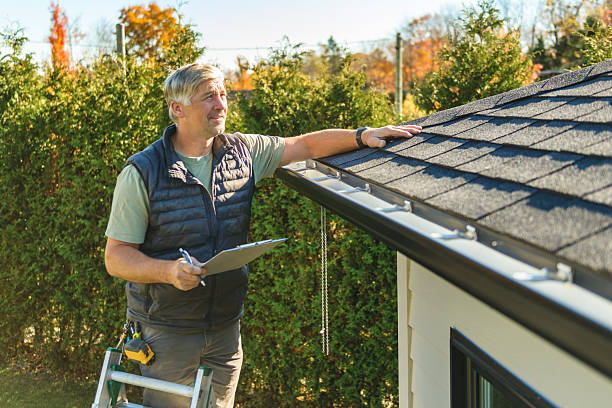
Heavy granule buildup at the downspout is a sign the shingle has already shed most of its protective surface. Checking the gutter after any hard rain costs nothing and catches this early.
If sunlight shows through the roof sheathing from inside, moisture has the same opening, whether or not it's caused a visible mark yet. It takes a flashlight and five minutes, nothing more.
Lifted edges or a cupped shingle body both mean the asphalt has dried out and lost its seal, which gives wind something to grab onto. A pair of binoculars from the yard is usually enough to spot it.
Decking that gives slightly near a valley or chimney usually means the plywood underneath has already absorbed water and started softening. This one is best left to a trained inspector rather than testing it yourself.
A gap between flashing and an adjoining wall often goes unnoticed until a heavy rain finds it first. Look closely wherever the roofline meets a vertical wall or chimney.
Poor attic ventilation tied to roof age can push summer attic temps up 20 to 40 degrees, which shows up on the electric bill before any leak does. Comparing this year's summer bill to last year's is a rough but useful gut check.
If your situation doesn't fit neatly into one of these categories, call anyway, chances are we've handled something close to it before. Every category below gets priced with the same written, line-item approach.
Active leaks get stopped first with emergency tarping or membrane, then scheduled for full repair once the extent of damage is clear. We check back after the initial tarp to make sure it's holding before scheduling anything further. Photos of the damage go into a file you can hand straight to insurance if needed.
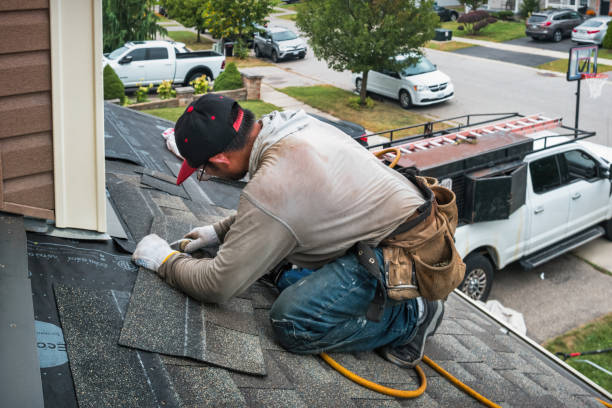
Rotted decking found during tear-off gets replaced, flashing and drip edge get upgraded, and ventilation gets rebalanced before the new shingles ever go down. We help pick a shingle line during the estimate stage so materials are staged and ready when the crew arrives. Cleanup includes a full magnetic nail sweep before the crew leaves the property.
TPO, EPDM, and modified bitumen work on flat commercial roofs gets phased around business hours so the building stays weathertight overnight. Where a full replacement isn't the right call yet, we'll price out a recover or coating option that buys years of service life. Site logistics like crane access and material staging get planned before the first day of work.
Post-storm inspections come with adjuster-ready photo documentation of impact marks and creased flashing before any repair starts. A supplemental report with added photo evidence gets filed if an initial claim scope looks short. We keep a copy of every report on file in case a follow-up claim is needed later.
Twice-yearly inspections catch loose flashing and early granule loss before they become interior leaks, with a written report and photos after every visit. Being on a maintenance plan means faster scheduling if a storm rolls through and every other crew in town is backed up. Reports are kept on file so you have a documented maintenance history if you ever sell the property.
For a 40-plus year roof, we install standing-seam metal with concealed fasteners and proper thermal-movement clips rather than a screw-through shortcut. We'll source a close color and profile match for tile or slate repairs instead of leaving an obvious mismatch. These systems cost more upfront but typically outlast two or three asphalt reroof cycles.
Sending a couple of photos ahead of time often means the estimator shows up already knowing what materials to bring. There's no phone tree to navigate first. Most calls get a callback within minutes, not hours.
An estimator walks the roof, photographs problem areas, and checks the attic when possible, since staining up there often tells more than the surface does. Most inspections wrap in under an hour, sometimes less for a straightforward repair.
If rot does turn up once the old roof is off, we stop, show you photos of it, and get your sign-off before adding it to the bill. Take whatever time you need before scheduling, there's no pressure to sign on the spot.
Crews run a magnetic nail sweep of the yard, clear all debris, and walk the finished roof with you before collecting final payment. Payment isn't due until you've seen the finished work yourself, up close and in person.
Crews chasing storms into town tend to sell as many jobs as possible in a week and vanish before the first warranty call comes in. We plan to still be here next year. Most of what actually separates one roofing company from another shows up months after the crew has already left.
What you approve up front is what lands on the final invoice, tear-off and disposal included. Financing options exist if a full reroof doesn't fit into this month's budget. Ask your estimator during the quote visit.
A crew is rarely more than a short drive from any address we quote, since staging is local rather than regional. That local presence also means someone can meet you on-site after the job if a question comes up. No waiting on a national call center to route you somewhere.
Every technician carries current state licensing plus general liability and workers' comp coverage, shown on request before any contract is signed. Documentation gets shown before, not after, a question comes up. We'd rather over-explain than leave it vague.
Estimators aren't on commission tied to job size, which removes the incentive to push the bigger project. That honesty is most of why people call back for the next project. Word travels fast in a small market.
Every install includes a written workmanship warranty on our own labor, separate from whatever the manufacturer covers on materials. Most competitors only mention the manufacturer's coverage and skip the labor guarantee entirely.
If a covered issue comes up later, we return and fix it at no charge, and we'll walk through exactly what is and isn't covered before you sign anything.
Term length depends on what's installed, and we'll spell out the specific coverage window for your project rather than quoting a generic industry number.
Proper warranty registration at closeout means the material coverage is actually usable later instead of getting lost in paperwork nobody filed.

Because dispatch is staged in and around Keisterville, a crew is rarely more than a short drive from any address we quote in Keisterville, PA.
Local crews know which Keisterville neighborhoods have older decking that needs extra attention and which subdivisions have HOA rules about shingle color.
We factor in Keisterville's typical wind exposure when recommending fastening patterns and underlayment, not a generic spec sheet borrowed from another market.
Because scheduling stays local rather than running through a national center, a Keisterville resident calling in usually reaches someone who already knows the area.

"Half the shingles peeled off during a windstorm around 1am and someone actually answered the phone. Tarp crew was there before the worst of the rain hit."
Bianca R."Got three quotes and this was the only crew that explained why my attic ventilation mattered instead of just quoting shingle brands."
Julian M."Our strip mall reroof got scheduled around store hours and none of the tenants noticed a thing except the new roof once it was done."
Odette F."The adjuster called our claim one of the better-documented ones they'd seen that month. Made the whole process painless."
Perry K."Maintenance check found a flashing gap near the chimney before it ever turned into a ceiling stain. Glad I signed up for the plan."
Nadia G."Metal roof install took an extra day for the ridge cap detail but it looks like it belongs on the house, not bolted onto it."
Trent B."Called about a soft spot and the inspector found the real cause was a vent boot, not the shingles. Saved me from an unnecessary reroof quote elsewhere."
Camille D."Insurance claim got approved fast because of how detailed the inspection photos were. Adjuster didn't push back on a single line item."
Reggie H."Commercial flat roof coating job extended the life of our building's roof by years for a fraction of what a full tear-off would have cost. Should have called sooner."
Yolanda P."Woke up to a leak during a storm and had someone on the phone within a couple rings. Crew showed up with a tarp before the worst of the weather even passed."
Frank T.Live dispatch around the clock, every day of the year.
Call +1-844-212-9199